The following is an excerpt from a very interesting post by my friend at Rostitchery.com.
“a stitch by any other name is still just a loop…
a few days ago a question was posted on the gettin’ it pegged! loom knitters clique facebook page that got my mind whirling:
“Do you prefer the true Knit Stitch, the U-Knit Stitch, the Flat Stitch or the E-Wrap (Single) Stitch? I think I prefer the U-Stitch.”
it is often said in needle knitting that there are only two stitches: knits and purls. everything else is a variation on these two stitches. i contend something a little different: that there aren’t actually two different stitches at all, but two variations on the same stitch: a loop…”
Please take a moment to pop on over to Rowena’s site and read her intriguing article… then come back here and read my response. I was just going to post in her comments, but I figured that this is such an interesting topic that it deserved it’s own blog post! 🙂 So go ahead….mosey on over and read, read, read!
——————————————————————————————————
Interesting idea isn’t it? …and one that I’m sure many people will agree with. I do myself on most of the points, except a few. 😉
First of all, the e-wrap can’t be lumped in with the knit stitches and generically called a “loop” when really, this stitch is actually the “Twisted Knit Stitch” or “knitting into the back loop” in knitting terminology. It is created differently and has a different texture than a knit stitch.
As for the others, I believe that the “true knit” stitch, which is really the method of physically working and lifting the stitch on the front of the peg and the U-stitch can be used interchangeably….it all comes down to a possible matter of gauge difference, but the use of either of these can really be left up to the knitter.
The flat stitch, however, is a super tight stitch which has it’s own uses and (in my opinion) should really be avoided unless the pattern specifically states to use this particular stitch. Yes, the yarn wraps itself around each other to create the same “loops” as in a knit stitch (which it still IS essentially), but it is not the same in practical use as a knit stitch during loom knitting.
Do Loom Knitters need to stand up with confidence, take ownership of their knitting ability and make some of their own decisions in what methods to use as they work through patterns where none are specified? YES! I highly agree! 🙂 Do some patterns require specific methods of knitting in order to get the projects to turn out like the original? The answer is: Yes again. 😉
Thank you so much, Rowena…and Stasia, who asked this question in the first place, lol…for this informative and very tasty dialog on the merits of standardization of loom knitting stitches! We do need this to happen, but we also need to be fully aware of what those standards should include, combine, or eliminate. 😉
Would you like to carry on the discussion?? Do you have your own idea of what loom knitting patterns and techniques should be and include? Pop in a comment below!
Bethany~
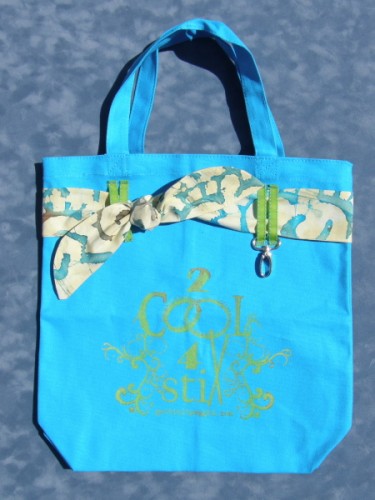 As we decided long ago when we started compiling the database, the winning person would receive this